

The Benefits of Eclectic Therapy
If you have researched or been a client of a therapist using Internal Family Systems therapy (IFS), you will learn that Dr. Richard Schwartz, founder, basically developed this therapy by recognizing that just as there are unique dynamics to a family system, individuals have an internal system that much resembles a family. Because you wouldn’t treat each family member the same way in family therapy, you don’t treat each individual “part” in an individual the same way. Out of this need both in family therapy and in IFS (and other therapies such as EMDR) came different techniques or approaches or tools to both introduce positive material into a person (or family) and heal negative material in the same.
Following are a number of both therapies and techniques that are recognized as valuable both alone and in combination with one another.
1. **Cognitive Behavioral Therapy (CBT):** Focuses on identifying and changing negative thought patterns and behaviors related to the trauma.
2. **Eye Movement Desensitization and Reprocessing (EMDR):** Involves guided eye movements to help process and desensitize traumatic memories.
3. **Trauma-Focused Cognitive Behavioral Therapy (TF-CBT):** Tailored form of CBT designed specifically for trauma survivors, often used with children and adolescents.
4. **Mindfulness and Relaxation Techniques:** Practices like deep breathing, meditation, and progressive muscle relaxation can help manage anxiety and stress associated with trauma.
5. **Narrative Therapy:** Encourages individuals to reframe and reconstruct their personal narratives, giving them a sense of control over their trauma story.
6. **Somatic Experiencing:** Focuses on bodily sensations and helps release physical tension stored from traumatic experiences.
7. **Art Therapy:** Expressing emotions and experiences through art can help individuals process trauma in a non-verbal way.
8. **Psychodynamic Therapy:** Explores how past experiences and relationships impact current thoughts, feelings, and behaviors related to trauma.
9. **Group Therapy:** Provides a supportive environment where individuals can share their experiences, reducing isolation and fostering a sense of belonging.
10. **Psychodrama:** Involves acting out and reenacting traumatic events in a controlled environment to gain insight and emotional release.
11. **Body-Mind Psychotherapy:** Integrates physical and psychological approaches to promote healing and recovery.
12. **Expressive Writing:** Encourages individuals to write about their traumatic experiences, which can help process emotions and gain perspective.
13. **Grief Counseling:** Addresses feelings of loss and mourning that often accompany traumatic experiences.
14. **Dialectical Behavioral Therapy (DBT):** Combines cognitive behavioral techniques with mindfulness practices to manage intense emotions and distress.
15. **Hypnotherapy:** Uses guided relaxation and focused attention to access and address unconscious trauma-related memories.
16. **Equine-Assisted Therapy:** Involves interacting with horses to build trust, communication, and emotional regulation skills.
17. **Couples or Family Therapy:** Addresses the impact of trauma on relationships and helps improve communication and support among family members or partners.
18. **Culturally Sensitive Approaches:** Tailoring therapy techniques to align with the individual’s cultural background and beliefs.
19. **Sensorimotor Psychotherapy:** Focuses on the connection between the body and mind to release trauma stored in the body.
20. **Positive Psychology Interventions:** Emphasizes building resilience, strengths, and positive emotions to counter the effects of trauma.
When I say “in combination” what I mean is that while I’m using EMDR to address a particular trauma that has occurred in a client, I may employ techniques from Cognitive Behavioral Therapy (CBT) to overcome a block in processing. Or if the person describes their trauma as being very physical, felt in their body such as a “lump in the throat” or “tightness in their chest” or “wrenching in their gut”, I may employ techniques from Somatic Experiencing therapy. Or as I am processing using EMDR, I may encounter in a person’s past what seems to be a “part” of themselves that is “stuck” and needs to be brought into the “present” where they can be released from their past. In that case, I might stop “processing” and instead engage in techniques from IFS to help that “part” heal.
The term often used to describe this type of “combination” therapy is “eclectic” and some “purists” in the various big therapies “CBT” “EMDR” “Psychoanalysis” etc might look down on borrowing from other therapies. However, therapy organizations such as Apple Counseling (one of many) , consider eclectic therapy as the most commonly used therapy today. If you go to the link and Apple’s web page on “eclectic therapy” you’ll find over 45 different therapy approaches listed. That’s a tremendous treasure trove of therapies and techniques to choose from! AND, I find that the more of those you can use that are complimentary (in other words, they help each other), the better the outcome is for your client or YOU, the client.
As an analogy, I’d like to use my experiences counseling Department of Family and Protective Services (DFPS) parents who had their children removed from their custody and were under the oversight of Judge Clark in Tyler (retired, I believe). Judge Clark believed in an eclectic approach to rehabilitation of DFPS offenders.
If you were involved with DFPS because of a substance abuse problem, Judge Clark would order you to attend substance abuse rehabilitation and counseling until you were at least three to six months abstinent from any substance use. You would be required to attend a 12 step style program and often do a program called “90 in 90” which means attending 90 meetings in 90 days. If you were screened and found to have trauma in your background, you would be required to attend a trauma group (group therapy) where you would work with a therapist and several others who also had a substance abuse problem AND trauma in their background. You would be required to find some type of gainful employment (if not already employed). THEN, after all of that was mostly completed to Judge Clark’s satisfaction (that’s a LOT of hoops to jump through!), she would often refer them to me for EMDR therapy.
I promise you that almost without exception, the clients who came to me for EMDR therapy who had been through Judge Clark’s program were not only the most successful in doing EMDR but they were also the most successful at earning the right to have their children returned to them by the State. I was truly amazed at how different their outcomes were over those not going through such a diverse program. But then I looked at how eclectic the program was and learned from my clients how they were able to “pull” from one form of therapy work and use it in our therapy work to their betterment.
Another analogy would be nutrition, exercise, and sleep. See my post on nutrition and depression for more information. You can eat right but if you don’t exercise or get the right kind of sleep, your eating won’t be as effective. The same with all three. They are ALL needed to achieve maximal health physically, mentally, and emotionally. So that is a brief overview of eclectic therapy and it’s benefits.
Mental Health providers? What’s your take on this subject? Where have you seen the eclectic approach work for you and your clients?
Clients? Where have you seen the eclectic approach work for you?
There are also tons of self-help exercises and programs clients can do to improve their in session therapies by doing therapy work at home.
As an example, I am going to post below links to several hypnosis products that you can purchase, download, and use in the comfort of your own home. If you are a practitioner and want to share these with your clients, simply copy the link and share! I’m going to attempt to find at least one hypnosis download that corresponds to a therapy or technique listed above so you can see how they can be complimentary and exponential in their rate of success.
*** Also note the current offerings for excellent trainings in some of the therapies above AT A DISCOUNT!!! listed after the hypnosis products.***
CBT
EMDR
10 Steps to Positive Self-Esteem (this would be considered “Resourcing” in EMDR)
Trauma-Focused Cognitive Behavioral Therapy (TF-CBT)
Feel Safe (“Felt Safety” is very important to achieve with children and adolescents who have experienced trauma
Mindfulness and Relaxation Techniques
Mindfulness and Meditation Collection
Narrative Therapy
Somatic Experiencing
Body Scan Relaxation Technique
Art Therapy
Psychodynamic Therapy
Group Therapy
Psychodrama
Body-Mind Psychotherapy
Expressive Writing
Grief Counseling
Dialectical Behavioral Therapy (DBT)
Hypnotherapy
Equine-Assisted Therapy
Couples or Family Therapy
Culturally Sensitive Approaches
Sensorimotor Psychotherapy
Positive Psychology Interventions
Educational Trainings in Several Forms of Therapy
Internal Family Systems Therapy


Integrative Somatic Psychotherapy Master Class: Step-by-step embodied healing with Abi Blakeslee & Peter Levine Join somatic healer Abi Blakeslee to master body-based skills for today’s trauma cases. Through real in-session videos, you’ll experience somatic healing in action with generational trauma, trauma-induced guilt and shame, trauma within couples therapy, and trauma in a client with autism. You’ll not only learn somatic interventions you can apply right away in your practice – but you’ll also get insight into key therapy decisions that lead to true trauma breakthroughs. Earn up to 16.5 CE Hours. $619.97 Value… Get it now for $199.99
>>Click Here To Reserve Your Spot<<
Cognitive Behavioral Therapy (CBT)
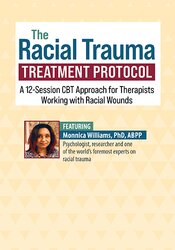
Healing Racial Trauma CBT Course
Dr. Monnica Williams, psychologist and one of the world’s foremost experts on the subject of racial trauma, has developed a 12-Session Protocol that gives therapists a step-by-step blueprint to assess for racial stress and trauma and achieve optimal outcomes in treatment.
Get the tools you need so you’ll never need to feel like your clients’ race-based wounds will go unaddressed again.
You’ll get the essential components of treatment for racial stress and trauma based in today’s most up-to-date empirical evidence so you can:
* Better validate clients’ race-based experiences * Combat clients internalized racism and self-blame * Help clients process their traumatic race-based experiences * Increase clients’ feelings of agency toward racism and reduce their feelings of helplessness * And much more!
Don’t spend one more day worrying if clients who’ve suffered traumatic racial experiences, bias and discrimination are getting the best treatment you can provide.
Get it with me for only $199.99 through my affiliate link!

 My Mental Health Musings
Leave a reply to How Music Therapy Helps People With Dementia Find Meaning & Memory – My Mental Health Musings Cancel reply