
Anxiety disorders are more common than ever, affecting millions of individuals worldwide. Fortunately, there is a wide range of effective treatments available that can help manage and alleviate anxiety symptoms. In this blog post, we’ll explore five prominent treatments for anxiety, shedding light on their benefits and considerations.
1. Therapy:

Therapy, particularly cognitive-behavioral therapy (CBT), is one of the most widely used and effective treatments for anxiety. CBT helps individuals identify and challenge negative thought patterns and develop healthier coping strategies. Exposure therapy, a form of CBT, is especially helpful for conditions like phobias and obsessive-compulsive disorder (OCD). Therapy provides a safe space for exploring the root causes of anxiety and developing practical solutions.
Please see my article on Eclectic Therapy for several common types.
2. Medication:
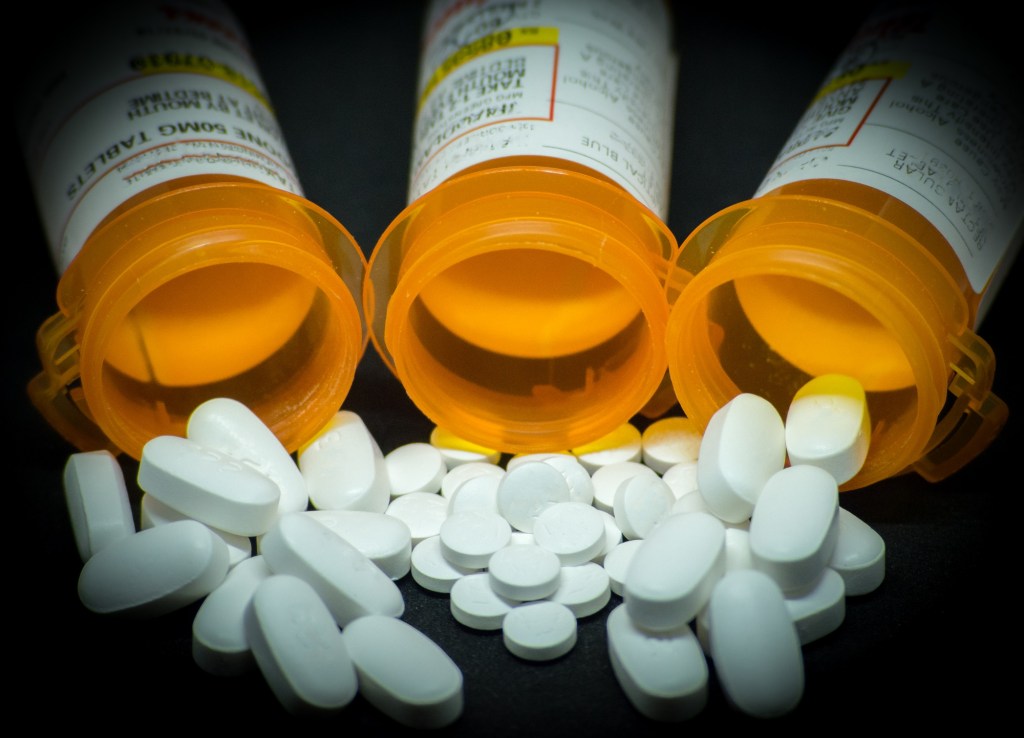
Medication can be a valuable component of anxiety treatment, especially for individuals with severe symptoms. Antidepressants, such as selective serotonin reuptake inhibitors (SSRIs) and benzodiazepines, are commonly prescribed. These medications can help regulate brain chemistry and reduce the intensity of anxiety symptoms. However, medication should be used under the guidance of a qualified healthcare professional due to potential side effects and the risk of dependency. Due to an apparent shortage in psychiatric providers (at least in Texas), more primary care providers are prescribing psychotropic medications. Many are making the effort to get the education to truly understand the complexities of psychotropic medications so it is often possible to get quality care outside of the psychiatrist’s office. The National Alliance on Mental Health (NAMI) offers a brief overview on mental health medications here: Selecting Medications
3. Lifestyle Changes:

Simple lifestyle adjustments can have a profound impact on anxiety. Regular exercise, a balanced diet, and adequate sleep can help regulate mood and reduce stress. Practicing relaxation techniques such as mindfulness meditation and deep breathing exercises can also be beneficial. Reducing caffeine and alcohol intake, both known to exacerbate anxiety, can contribute to a more stable emotional state. One common underlying factor that is usually altered with lifestyle changes is inflammation. When inflammation is reduced systemically, we see improved bodily functions ranging from decreased blood pressure, decreased headaches, improved gastrointestinal functioning, and improved mental health symptoms. Many more factors are also affected but that is another article in and of itself. See Dr David Perlmutter’s article Reducing Inflammation for Better Health for an excellent overview.
4. Support Groups:

Support groups provide a sense of community and understanding that can be invaluable for individuals dealing with anxiety. Sharing experiences with others who have similar challenges can reduce feelings of isolation and stigma. Many cities and online platforms offer support groups focused on specific anxiety disorders, making it easier for individuals to connect with peers. Healthline.com recommends the following 7 favorite anxiety support groups
5. Alternative Therapies:

Some individuals find relief from anxiety through alternative therapies such as yoga, acupuncture, and herbal supplements. While these methods may not be the primary treatment for severe anxiety disorders, they can be used in conjunction with traditional treatments to enhance overall well-being. It’s important to consult with a healthcare provider before starting any alternative therapy to ensure its safety and effectiveness. One therapy I hope to include in a future post is the use of Ketamine (the only legal hallucinogen, as of the date of this post, currently prescribed to treat resistant depression).
On another alternative front, I read today that TikTok user Tyler Wesley (@tylerjohnwesley), as a “huge sufferer of anxiety,” reported in a video posted on July 7 that he takes 500mg of magnesium and one dose of vitamin D per day
He claimed that this combination of supplements has eradicated his anxiety. There are other anecdotal reports of this phenomenon showing up all over social media but there are few, if any, legitimate clinical studies showing whether this is an effect that can be replicated. Read the article for yourself and do your own research. As a clinician who suffers from anxiety and takes medication, if this supplement combination works, it could help me back off the dosing to prevent developing tolerance. Definitely worth looking into!
Can Magnesium and Vitamin D3 Curb Anxiety? Mental Health Experts Weigh in on a Viral TikTok Claim.
In conclusion, anxiety is a manageable condition, and there are numerous effective treatments available. The best approach often involves a combination of therapies tailored to the individual’s needs. Remember that what works for one person may not work for another, so it’s crucial to work closely with a qualified mental health professional to determine the most suitable treatment plan. With the right support and strategies in place, individuals can regain control of their lives and find relief from the grip of anxiety.
 My Mental Health Musings
Leave a comment